You're Not Buying a Shirt, You're Buying the Album: The Merch Takeover Nobody Saw Coming
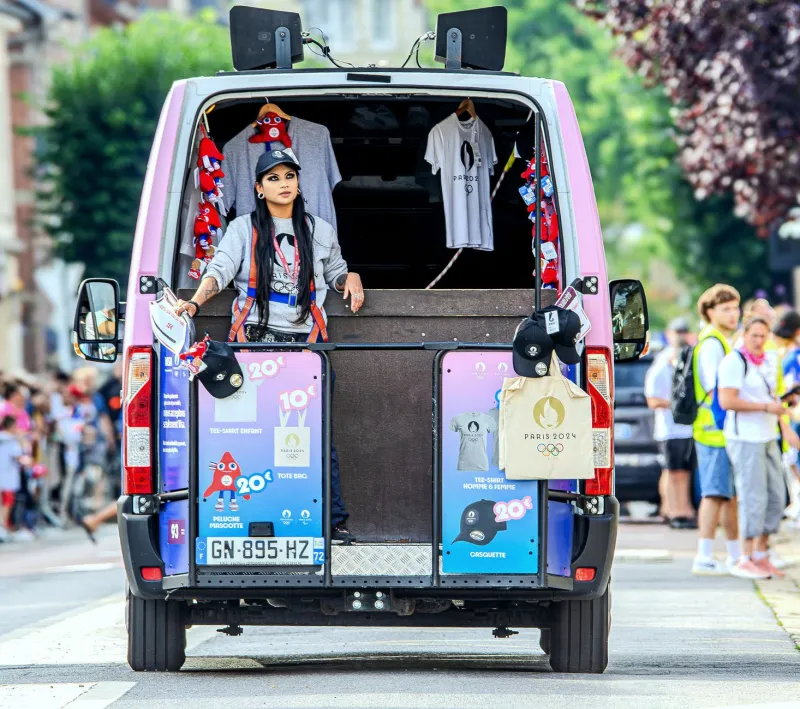
There's a moment happening at every arena and festival ground in America right now, and it has nothing to do with music. It's the line at the merch table. It's wrapping around the concourse, thirty deep, before a single note has been played. People are dropping eighty bucks on a boxy tee with a font so cryptic it could be a ransom note — and they're doing it happily.
The album used to be the product. Now it's basically the ad.
The Hoodie Outsold the Hook
Let's be honest about the math. Streaming pays out fractions of a cent per play. A heavyweight crewneck at a show? That's a forty-dollar margin sitting right there in a folding table cash box. Artists figured out fast that the real money isn't in the record — it's in the cotton.
But this isn't just about revenue. Merchandise has become the primary way an artist communicates who they are. The graphics, the washed-out vintage wash, the deliberately unreadable gothic lettering — it's a whole visual language that fans learn before they've memorized a single lyric. You can spot someone's music taste from across a Target parking lot now.
Wearing the Vibe Before Hearing the Wave
Here's the wildest part: plenty of people buying tour merch haven't actually listened to the artist. They saw the fit on TikTok. They liked the aesthetic. The shirt is the discovery mechanism now.
It's fashion-house logic applied to the tour bus. Limited drops. Region-exclusive designs. 'I was there' merch that doubles as a timestamp. Some tours sell out their apparel faster than their tickets, and nobody blinks anymore. The merch table used to be an afterthought in a corner. Now it's the flagship store.
When the Graphic Does the Marketing
Cryptic album artwork on a t-shirt is genius in a way that deserves more credit. It's a billboard the fan pays to wear. Every person who asks 'wait, what band is that?' is a free impression. The fan becomes the street team, the ad campaign, and the customer all at once.
And the brands have noticed. Collabs between touring artists and streetwear labels are standard operating procedure now. The line between 'band merch' and 'drop culture' has basically evaporated. If your tour tee couldn't hang at a thrift store rack in Brooklyn, you did it wrong.
So Is the Music Still the Point?
Here's where it gets uncomfortable. When the hoodie is the identity marker and the record is the loss leader, you have to ask what's actually driving fandom. Are we collecting sounds or collecting logos?
The optimistic take: merch is the modern version of the liner notes. It's a physical anchor in a streaming world where music has no weight, no texture, no object you can hold. The shirt is something real in a discography that's otherwise just rows in an app.
The cynical take: we've turned musicians into apparel brands with a soundtrack.
The truth is probably both. The artists doing it well understand that the merch isn't replacing the music — it's extending it. The record gives the shirt meaning. The shirt gives the record permanence. But the next time you see someone in a tour tee for a band you've never heard, remember: the album already did its job. It just happened to be made of cotton.