The Artist Who Blew Up Online Might Not Be Who You Think They Are
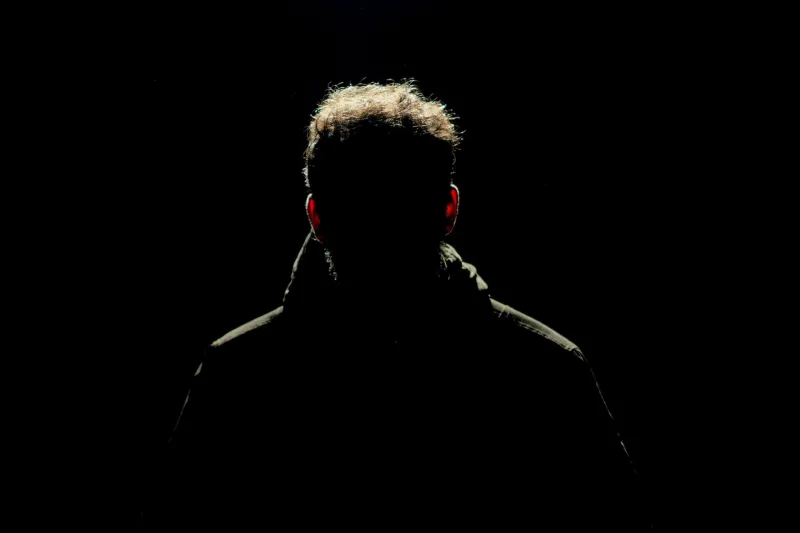
Somewhere right now, a musician with a Grammy on their shelf and a verified checkmark on every platform is sitting in a home studio, uploading something under a completely fake name, watching the numbers climb with zero personal brand attached to it. No press release. No manager approval. No rollout strategy. Just the music, raw and unattributed, doing whatever it's going to do.
And it's probably doing great.
The burner artist isn't a new concept — musicians have been using pseudonyms forever, for all kinds of reasons. But what's happening right now feels different. It's not just about protecting a reputation or testing new sounds without risk. It's about something more fundamental: what does it feel like to make music when nobody knows it's you?
The Weight of Being Known
Fame in 2024 is a strange and heavy thing. It comes with audience expectations that calcify fast. You blow up making one kind of music, and suddenly that's all you're allowed to make — at least if you want to keep the streaming numbers and the festival slots. Pivot too hard and you're "confusing your fanbase." Stay put and you're stagnant. The space for genuine experimentation, for making something that might completely fail, basically disappears.
So some artists are creating that space themselves by disappearing from it.
A secondary project without a name attached to it exists outside all of that. No one is comparing it to the debut album. No one is writing think pieces about whether this represents a "new direction" or a "departure from their roots." It just gets to exist as music, evaluated on its own terms by people who have no preexisting relationship with whoever made it.
For artists who've been famous long enough to feel trapped by their own identity, that anonymity isn't just liberating — it's necessary.
The Puzzle People Can't Put Down
Of course, the internet being what it is, the anonymity never fully holds. And the unmasking has become its own genre of entertainment.
Fans are increasingly treating the "who is this?" mystery as a game — one with actual stakes and genuine satisfaction when solved. The clues are everywhere for people paying close enough attention. Production signatures. Vocal processing choices. Lyrical themes that echo something the artist has talked about in interviews. A specific chord progression that shows up across their catalog. The community that forms around solving these puzzles is genuinely impressive: organized, obsessive, surprisingly accurate.
And here's the twist — the artists often know this is happening. Some of them are watching the detective threads in real time. A few are almost certainly leaving breadcrumbs intentionally, because the mystery is marketing even when it isn't supposed to be. The reveal, when it finally comes, generates a wave of attention that a traditional announcement could never replicate.
The burner becomes a campaign. But a campaign that actually felt like a secret.
Authenticity's Weird New Address
There's a philosophical knot at the center of all this that's worth pulling on. The whole point of the side project is authenticity — making something without the pressure of an established identity. But once the identity is revealed, that authentic work gets absorbed back into the main career narrative. It becomes "the project where Artist X went back to their roots" or "the album that showed a different side of them."
The authenticity was real while it lasted. But it also served the brand, eventually, whether the artist intended that or not.
What does that mean for the listeners who connected with the music before they knew who made it? Some of them report that the reveal changes how they hear it — which is fascinating and kind of unsettling. The same song, same production, same lyrics. Different feeling once a famous name gets attached. That's not a knock on those listeners. It's just proof of how much context shapes perception, even in something as supposedly visceral as music.
The Genre-Jump Escape Hatch
One specific version of the burner artist phenomenon is the genre-jump. An artist who's spent a decade being defined by one sound launching a project in a completely different lane, under a different name, because their fanbase would never accept it under their real identity.
This happens more than anyone admits. Hip-hop artists with secret ambient electronic projects. Pop stars running underground club music accounts. Country musicians making noise records that their label would never greenlight. The side project becomes the place where the part of their taste that doesn't fit the brand gets to breathe.
In some cases, the side project is actually closer to what the artist wants to be making full-time. The main career is the compromise. The burner is the truth.
That's a pretty wild inversion of how we usually think about artistic identity — the famous thing being the performance, and the hidden thing being the genuine article.
What Fans Are Actually Chasing
The obsession with unmasking burner artists isn't just about being the person who figured it out first, though that's definitely part of it. It's also about wanting access to something that feels unmediated.
Fan culture has always involved a search for the "real" version of an artist — the unfiltered person behind the press photos and the curated social media and the interview answers that were clearly run through a publicist. The burner project feels like a back door into that real version. Even if the music is just as constructed, it was constructed without the audience in mind. That feels closer.
What the burner artist phenomenon ultimately reveals is that listeners are hungry for connection that doesn't feel like content. They want to stumble onto something rather than be marketed to. They want the discovery to feel like luck.
The artists who understand that — who can manufacture the feeling of not being manufactured — are operating on a completely different level. And their second account is proving it.