The Fan Edit Is the Real Music Video Now — And Artists Are Finally Figuring That Out
The official music video cost somewhere between $80,000 and $200,000 to produce. It premiered on YouTube with a coordinated push, a press release, and a playlist placement. It has 2.3 million views.
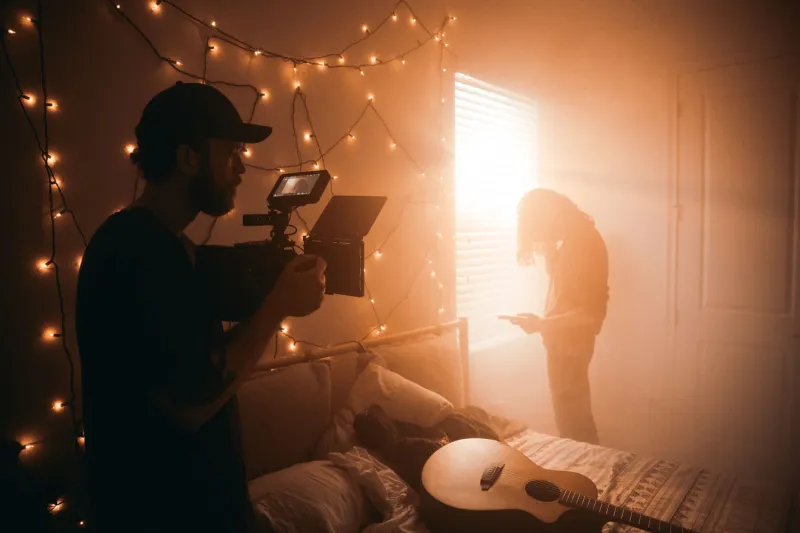
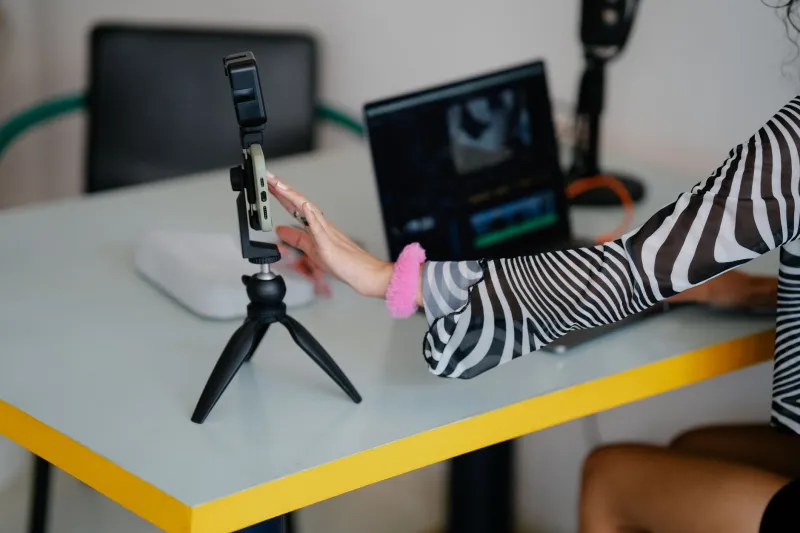
The fan edit — made in a bedroom, using footage pulled from interviews and red carpet appearances, set to the same song — has 11 million views and is still climbing.
This is not an anomaly. This is the pattern.
What's Actually Happening Here
Somewhere in the last three years, the balance of creative power in music marketing shifted in a way that nobody fully planned for and most labels still haven't properly reckoned with. Superfans — the obsessive, deeply invested, chronically online segment of every major artist's audience — have effectively become the de facto creative directors of how music spreads through culture.
They're making the edits that go viral. They're writing the explainer threads that bring casual listeners into the lore. They're creating the visual language that defines how an era looks, often before the official rollout has even established one. And platforms, particularly TikTok and Instagram, are promoting this content aggressively because it performs. The algorithm doesn't care who made the video. It cares how long people watch it.
This is a massive structural shift, and it's creating a genuinely interesting set of power dynamics between artists, labels, and the audiences who love them.
Why Fan Content Outperforms Official Marketing
The answer is not simply that fans are more talented than professional creative teams, though some of them genuinely are. The answer is about authenticity signaling and emotional investment — two things that professional marketing has a very hard time faking.
When a fan creates an edit, they're making something from a place of genuine feeling. They chose that specific clip of the artist laughing in an interview because that moment means something to them. They timed that particular cut to land on that beat because they've listened to the song enough times to know exactly where the emotional peak is. The result carries information about how deeply someone loves this music, and other fans can feel that.
Official marketing, no matter how well-produced, is always slightly legible as marketing. It has the fingerprints of a campaign on it. Fan content has the fingerprints of obsession on it — and obsession, it turns out, is incredibly compelling to watch.
There's also a curation element. A fan who has watched every interview, studied every lyric, and tracked every subtle reference in the catalog brings a depth of contextual knowledge to their creative work that a hired director, parachuting in for a single video, simply cannot match.
The Artists Who Cracked the Code
The most interesting development in this space isn't that fan content is outperforming official content — it's that some artists have started deliberately engineering their rollouts to leave creative gaps for fans to fill.
This is a significant strategic evolution. Rather than over-producing every visual element of a release, these artists are releasing music with intentional ambiguity — cryptic lyrics, unexplained visual references, deliberate loose ends in the narrative. They're essentially creating prompts. The fan community does the rest.
Sabrina Carpenter's aesthetic consistency, combined with her willingness to be genuinely funny and self-referential in casual content, created a template that fans could riff on endlessly. The gap between her polished official output and her looser, more spontaneous moments gave the edit community infinite material to work with. The result was a visual and cultural identity that felt collaborative rather than top-down — and it was enormously effective.
Beyoncé's era rollouts have long operated on a similar principle, though at a much grander scale. The deliberate opacity of certain visual choices, the layered references, the unexplained imagery — all of it functions as an invitation for the fan community to theorize, decode, and create. The official content becomes a starting point rather than a finished statement.
The Label Problem
Here's where things get complicated. Record labels, by institutional nature, are uncomfortable with creative ambiguity. They want to control the visual identity of their artists. They've paid for the music video. They want it to be the definitive visual statement.
The tension between this instinct and the reality of how content actually performs in 2025 is creating real friction. Some labels are still sending takedown notices for fan edits that use official footage — a strategy that is both legally defensible and strategically catastrophic. You cannot send a DMCA notice to the most effective marketing tool your artist has and expect it to go unnoticed by the fan community.
The labels that are figuring this out are moving toward a different model. Some are quietly licensing fan content retroactively. Some are creating open libraries of footage specifically designed to be used in edits. A few are going further, essentially running unofficial talent searches through fan communities and bringing the best creators into the official orbit.
None of this has been systematized yet. It's all happening through informal channels, individual A&R instincts, and the occasional artist who goes to bat for a fan creator in a label meeting. But the direction is clear.
What This Does to the Artist-Fan Relationship
There's something genuinely new happening in the dynamic between artists and their most invested fans when the fans become co-creators of the cultural moment. It's not the parasocial relationship that critics have been wringing their hands about for years — it's something more reciprocal and more interesting.
When a fan's edit goes massively viral and becomes the defining visual for a song, they're not just consuming the artist's work anymore. They've contributed to it. They've shaped how millions of people experience that music. That's a different kind of investment, and it creates a different kind of loyalty.
For artists who are thoughtful about this, it opens up a model of creative community that didn't really exist before the current platform ecosystem. The music is the seed. The fan community is the garden. The artist's job is partly to keep planting things worth growing.
The Creative Director Who Was Never on the Payroll
The most honest thing you can say about where music marketing is right now is that the most effective creative directors working on some of the biggest artists' careers are people who were never hired, never briefed, and never paid. They're working out of love, out of obsession, out of the specific kind of devotion that makes you spend six hours cutting a video at 2 AM because you heard something in a song that you need other people to feel.
That energy is not something any marketing budget can manufacture. The artists who understand this aren't threatened by it. They're grateful for it — and they're smart enough to leave the door open.