The Original Never Came Out — And Honestly, We Don't Miss It
At some point in the last few years, the remix stopped being a bonus and became the blueprint. Not a special edition. Not a limited-run collector's thing for people who already liked the song. The actual, primary, first-impression version of a track — the one that got played at the party, the one that ended up in the playlist, the one that became the reference point — was already a remix before most people even heard it.
And here's the part that takes a second to fully land: sometimes the original never came out at all.
Flipping the Script on How Songs Are Born
The traditional release timeline is pretty intuitive. Artist makes song. Song comes out. If the song does well, a producer or DJ puts a different spin on it. The remix drops as a thank-you to the fans who already showed up, or as a tool to crack a different market, or just because the label needed more content. The original was always the foundation. The remix was always the addition.
That logic is getting quietly dismantled.
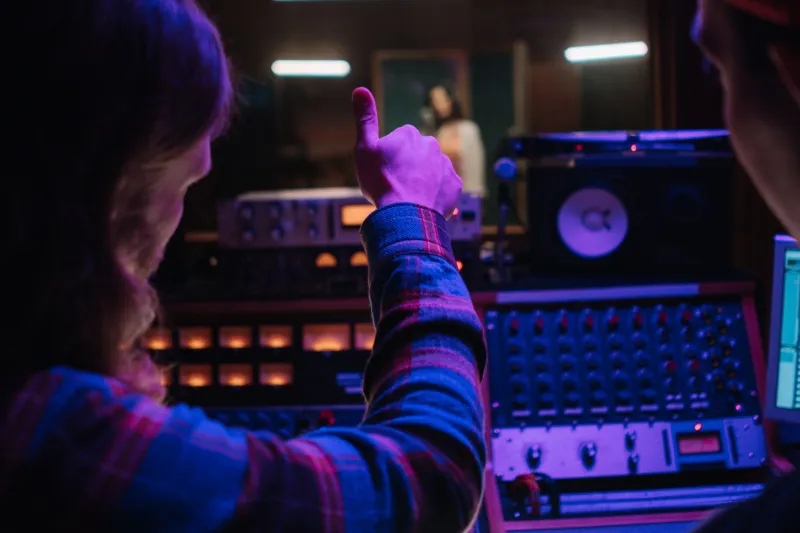
What's happening now is that producers are building from the flip first. They hear a vocal sample, an acapella, a snippet from an obscure track, and they construct something entirely new around it — something that treats the original source as raw material rather than a finished product. By the time the "official remix" drops, it has already been circulating, already has a fanbase, already has a cultural context that the original can't compete with.
In the most extreme cases, the remix is so dominant that the original feels like a demo by comparison. Not because the original is bad — sometimes it's genuinely great — but because the remix arrived first in most people's ears, and first impressions don't get redone.
The Economics of the Flip
There's a practical reason this is happening more often, and it lives in the spreadsheets.
Sampling has always been legally complicated and financially risky. Clear a sample wrong, or don't clear it at all, and you're looking at lawsuits that can eat an entire album's profit. But the culture around interpolations, unofficial remixes, and producer-driven reimaginings has created a workaround that's increasingly normalized: drop the flip first, let it build, and then negotiate from a position of demonstrated value.
When a producer can walk into a licensing conversation and show streaming numbers, playlist placements, and viral clips — all attached to a track that uses someone else's material — the negotiation looks completely different than it would have otherwise. The rights holder can see exactly what they're sitting on. The producer has leverage. A deal gets made that might not have existed before the track proved itself.
It's a risky move. It's also increasingly standard practice in certain corners of the industry, particularly in dance music, hip-hop production, and whatever the genre-less zone of internet music is called these days.
When Someone Else's Hands Make It Real
There's a creative argument for leading with the remix that goes beyond strategy, and it's more interesting than the money stuff.
Some songs don't find their true form until someone else touches them. The original might be technically complete — all the parts are there, the emotion is present, the production is fine — but it hasn't become what it was supposed to be yet. It takes a different set of ears, a different set of instincts, a different relationship with the source material to unlock what was always inside it.
This isn't a criticism of the original artist. It's actually a compliment to the collaborative nature of music, which has always been more communal than the solo genius mythology suggests. The producer who hears a vocal and builds an entirely different world around it isn't stealing the song. They're finishing it.
There's a long lineage of this in American music. Blues standards became jazz standards became soul samples became hip-hop classics. Each transformation was, in some sense, a remix. The song that endures is rarely the first version. It's the version that finally sounded like itself.
The Discovery Loop Is Broken (In the Best Way)
Streaming algorithms have made the remix-first phenomenon weirder and more interesting. When a remix starts gaining traction on a playlist or on TikTok, the algorithm eventually surfaces the original too — sometimes. But it doesn't always prioritize chronology. It prioritizes engagement. So listeners might hear the remix dozens of times before they ever encounter the original, or they might never encounter it at all.
For a lot of casual listeners, there is no original. There's just the song they know, which happens to be the remix, which they will always think of as the song. The "real" version is an artifact that exists somewhere in the catalog, but it doesn't have any special status in their relationship with the music.
This drives purists absolutely crazy. And honestly? The frustration is understandable. There's something that feels off about a version being more "real" just because an algorithm served it first.
But it also reflects something true about how music actually lives in people's lives. The version you heard first, in the context you heard it, is the version that matters to you. Always has been. The remix-first era just makes that personal truth a collective one.
Credit Where It's Due — Or Isn't
One genuinely messy consequence of the remix becoming the primary release is the credit question. When the version everyone knows was built primarily by a producer who wasn't on the original, who made the song? The streaming royalties, the songwriting credits, the cultural recognition — these don't always flow to the people who actually shaped the thing that broke through.
This is an ongoing and unresolved tension in the industry, and it's getting louder as remix-first releases become more common. The original artist gets name recognition. The producer who made the version that actually connected often gets a footnote.
That's starting to change, slowly, as producer culture gets more visibility and fans become more sophisticated about understanding who actually built the sound they love. But there's still a long way to go before the credit structures catch up to the creative reality.
For now, the remix sits at the top of the chart, the original sits in the "more by this artist" section, and somewhere a producer is already working on the next flip that's going to make everyone forget which version came first.