Chasing the Algorithm Is Killing Your Music Career and Nobody Wants to Say It Out Loud
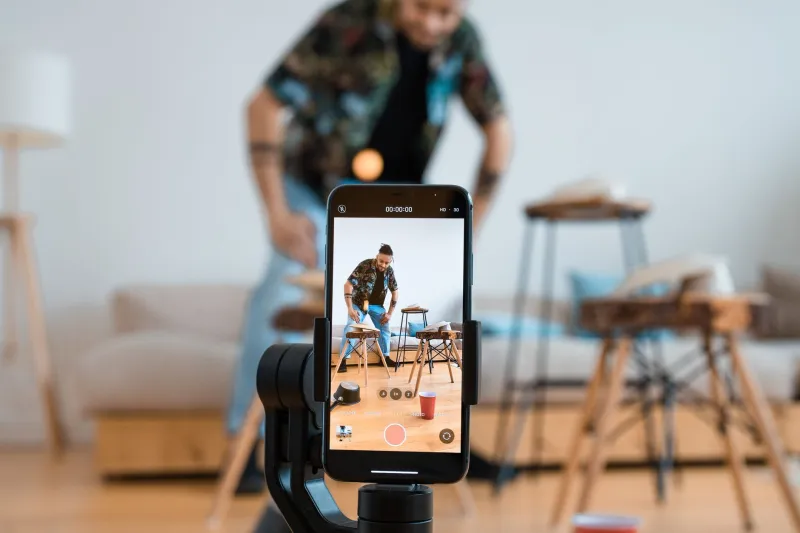
Let's get one thing straight before we go any further: going viral on TikTok is genuinely exciting. The numbers climb, the comments flood in, the DMs from labels start appearing in your inbox like magic. For about 72 hours, it feels like everything is finally clicking into place. And then, just as fast as it started, the algorithm moves on — and it takes your momentum with it.
This isn't a new observation. But what we still aren't talking about honestly enough is the structural reason why the two goals — TikTok virality and a sustainable music career — are not just different paths. They are, at a fundamental level, incompatible ones.
The Machine Has Different Goals Than You Do
Here's the uncomfortable math. TikTok's algorithm is optimized for watch time, completion rates, and re-shares within tight time windows. It rewards content that hooks a stranger in under two seconds and holds them for fifteen. It punishes nuance, punishes patience, and punishes anything that asks a listener to sit with something unfamiliar.
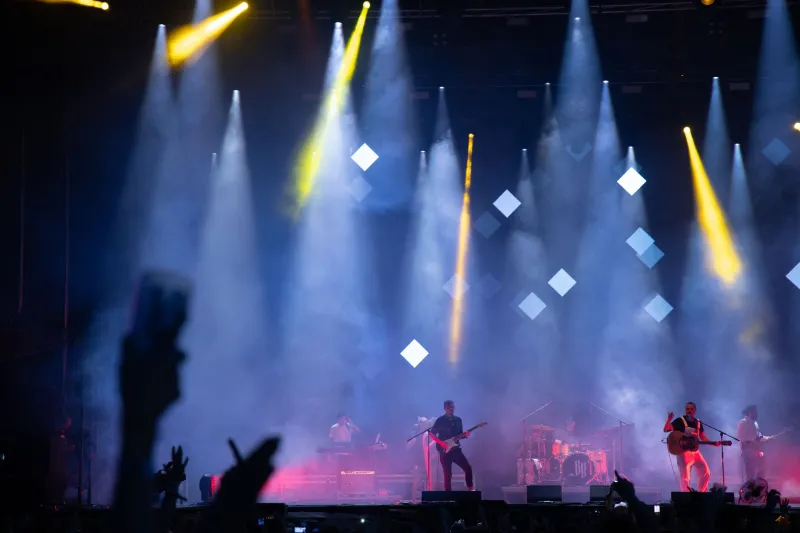
A music career, on the other hand, is built on the opposite behaviors. It requires listeners to follow you through bad singles, weird creative pivots, and the occasional album that doesn't fully land until the third listen. It requires a fanbase that shows up to a Tuesday night show in a mid-sized market because they genuinely care — not because a sound clip happened to soundtrack someone's thrift haul video.
When you optimize for the algorithm, you are quite literally training yourself to make music that serves the platform's retention metrics. You are not training yourself to make music that builds a relationship with a human being over years.
The Case Studies Nobody Wants to Bring Up
There's a reason certain artists have become cautionary tales in industry circles even while their streaming numbers look impressive on paper. Take the pattern that played out repeatedly between 2021 and 2024: an independent artist scores a viral moment, gets signed or distributed on the back of that buzz, releases a follow-up that tries to replicate the formula, and watches the audience evaporate when the algorithm decides the trend is over.
The issue isn't talent. A lot of these artists are genuinely gifted. The issue is that their entire rollout — often guided by managers and label reps who should know better — was engineered around recreating a TikTok moment rather than converting casual viewers into actual fans. There's a massive difference between someone who saved your audio and someone who pre-saves your album. The algorithm cannot tell the difference. Your ticket sales definitely can.
Some artists who caught massive TikTok waves in 2022 couldn't sell out a 200-cap room two years later. Meanwhile, artists who quietly built through consistent touring, genuine community engagement, and music that didn't fit neatly into a 15-second clip are filling theaters. The contrast is stark enough that you'd think the industry would have recalibrated by now. It mostly hasn't.
The Attention Economy Punishes Depth
One of the sneakiest ways viral chasing damages careers is what it does to the artist's creative instincts over time. When you spend 18 months making decisions based on what's going to pop on FYP, you start to lose the muscle memory for making music that isn't designed for immediate payoff. You start front-loading hooks so aggressively that the rest of the song becomes an afterthought. You start avoiding production choices that feel interesting but risky. You start sounding like everyone else who is also optimizing for the same fifteen seconds.
The artists who've talked openly about this describe it as a kind of creative flattening. You stop asking "does this song mean something?" and start asking "does this song start strong enough?" Those are very different questions, and they lead to very different places.
So Is Viral Exposure Ever Worth It?
This is where the take gets genuinely complicated, because the answer isn't a flat no. Viral exposure can work as an entry point — but only if the artist treats it as a door, not a destination. The artists who've successfully converted TikTok buzz into real longevity share a specific trait: they used the moment to funnel people somewhere deeper. A newsletter. A Discord. A live show. A body of work that already existed and rewarded exploration.
The difference between Chappell Roan's trajectory and the average one-sound-clip wonder isn't luck. It's that there was already a whole universe of music, aesthetic, and personality waiting on the other side of that viral moment. When the algorithm brought people to the door, there was actually something inside the house.
For artists who have nothing behind the viral clip — no catalog, no live presence, no community — the exposure is essentially a gift with no place to land. It converts into streams, maybe a label meeting, and then noise.
The Real Flex Is Saying No to the Trend
Some of the most interesting career moves happening right now are artists who are deliberately not chasing TikTok virality. They're releasing music that doesn't have an obvious clip moment. They're skipping the trending audio template. They're treating the algorithm with something close to indifference — and their fanbases are responding to that posture with a kind of fierce loyalty you simply cannot manufacture through a 15-second hook.
There's something genuinely countercultural about making music in 2025 that isn't trying to get clipped. It signals to a certain kind of listener that you're playing a different game entirely. And increasingly, those listeners are the ones who buy the vinyl, attend the show, and stick around when the trend cycle moves on.
The artists who understand this aren't anti-social media. They're just clear-eyed about what the machine is actually built to do — and they've decided their career is worth more than feeding it.