Good Vibes Only Is a Trap: The Dark Side of Mood-Boosting Playlists
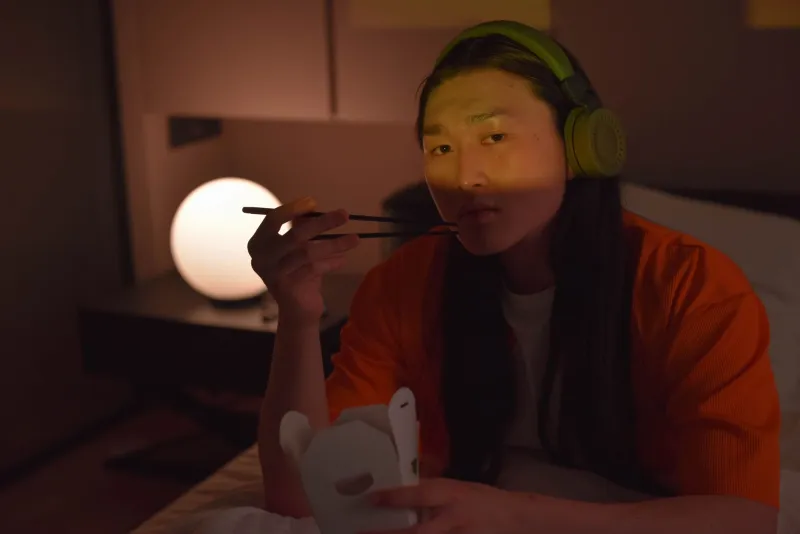
Somewhere between your third consecutive spin of a Spotify-generated 'Mood Booster' playlist and the weird hollowness that follows, something quietly goes wrong. You pressed play to feel better. You ended up feeling... nothing. Or worse, you felt the specific kind of sad that comes from trying too hard not to be sad.
Welcome to the serotonin playlist lie — one of streaming culture's most well-dressed emotional dead ends.
The Algorithm Thinks It Knows Your Feelings
Platforms like Spotify, Apple Music, and Amazon Music have spent years building out their mood-based playlist ecosystems. 'Chill Vibes.' 'Feel Good Friday.' 'Confidence Boost.' The names alone are doing a lot of emotional labor. They're designed to function like a vending machine for feelings — insert bad day, receive uplift.
But here's where it gets complicated. These playlists are built on behavioral data, not emotional nuance. The algorithm knows you skipped three slow songs in a row on a Tuesday morning. It does not know that you just got off a brutal phone call with your mom, or that the breakup you thought you were over apparently isn't over, or that you're running on four hours of sleep and a gas station coffee.
So it serves you something relentlessly, aggressively cheerful. And your brain, which is not actually a vending machine, pushes back.
Why Forced Positivity Backfires
Music therapists have a term for what happens when emotional state and musical content are too mismatched: iso principle — and it actually works in the opposite direction from what most mood playlists attempt.
The iso principle, developed in music therapy practice, suggests that you meet someone where they emotionally are first, then gradually guide them toward a different state. You don't blast them with sunshine when they're sitting in the dark. That contrast doesn't comfort — it alienates.
"When someone is genuinely dysregulated — anxious, grieving, burned out — and they put on something aggressively upbeat, the mismatch can actually increase emotional dissonance," says Dr. Kira Mendelsohn, a board-certified music therapist based in Chicago. "It's like being handed a party hat at a funeral. The intention is kind. The effect is jarring."
What tends to happen instead is a kind of emotional numbing. The listener stops trying to sync with the music and starts tuning it out entirely. The playlist becomes background noise. The feelings don't go anywhere — they just get quieter, which is not the same thing as resolved.
The Comfort Trap
There's a particular flavor of playlist that's become especially popular post-pandemic: the 'soft life' aesthetic mix. Lo-fi beats. Gentle acoustic pop. Songs about cottages and slow mornings and chamomile tea. These playlists have racked up hundreds of millions of streams, and for a lot of people, they function as a kind of sonic security blanket.
That's not inherently bad. Comfort music is real and valid. But there's a difference between music that genuinely soothes and music that just muffles.
Research published in the Journal of Positive Psychology found that people who listened to sad music when they were already sad reported feeling better afterward than those who forced themselves into upbeat listening. The theory is that emotionally congruent music validates the feeling rather than suppressing it — and validation, it turns out, is actually a precursor to moving through an emotion rather than around it.
The algorithmically curated 'cheer up' playlist skips that step entirely. It assumes the goal is to feel better right now, which is a very streaming-economy way of thinking about something as slow and personal as emotional processing.
What Actually Works
So what should you be listening to when life is being genuinely terrible? According to music therapists and researchers, the answer is less intuitive than you'd think.
Start with music that matches your mood, not the mood you're chasing. If you're low, something slow and minor-key isn't going to make you worse — it might actually make you feel less alone. There's a reason people have been reaching for Phoebe Bridgers and Sufjan Stevens in their darkest moments for years. It's not masochism. It's resonance.
From there, you can gradually shift the tempo and energy upward — but let it be gradual. Build a playlist that moves with you rather than one that demands you catch up to it.
Dr. Mendelsohn also recommends intentionality over automation. "Curating your own playlist, even imperfectly, creates an active relationship with the music," she says. "You're making choices. That agency matters. It's very different from passively accepting whatever the algorithm decides you need."
The Bigger Picture
None of this means wellness playlists are evil or that Spotify is trying to make you cry. The intent behind mood-based curation is genuinely good, and for plenty of people in plenty of moments, a 'Happy Hits' playlist is exactly the right call.
But there's something worth sitting with in the idea that we've outsourced emotional regulation to an algorithm — that we've come to expect music to fix us on demand, the way we'd expect an app to fix a calendar conflict.
Music has always been a tool for processing emotion. The blues existed before therapy did. Gospel carried entire communities through things language couldn't touch. That function hasn't gone anywhere. But it works best when we're honest about what we're actually feeling, not just what we wish we were feeling.
Sometimes the most emotionally intelligent thing a playlist can do is meet you in the mess instead of handing you a map out of it.
The algorithm doesn't know that yet. But you do.


