Spotify Who? Artists Are Ditching the Stream and Showing Up on Your FYP Instead
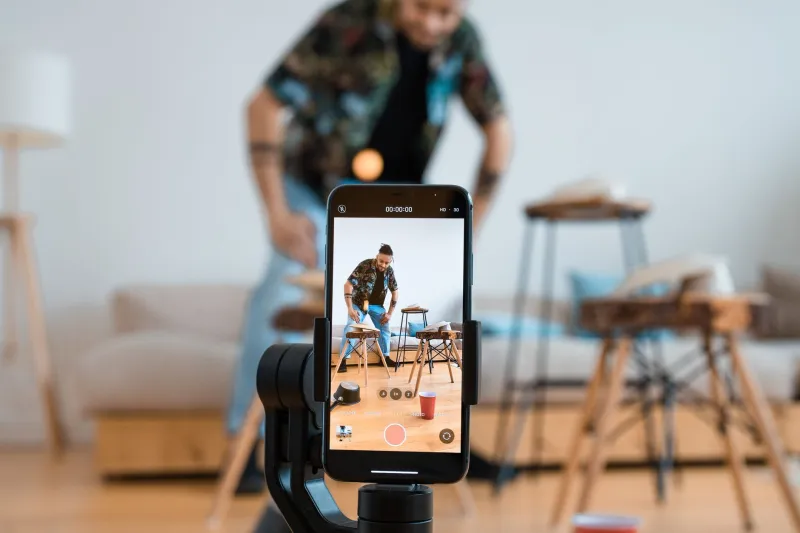
Something quiet but seismic is happening in the music industry. Your favorite artists are spending less time optimizing for Spotify playlists and more time filming 30-second clips in their bathrooms — and it's not a coincidence. The economics, the attention, and the actual fan connection have all migrated somewhere else.
And before you say "this is just a content strategy thing," pump the brakes. What we're watching isn't a marketing pivot. It's a full-blown identity shift in what it even means to be a recording artist in 2025.
The Streaming Math Was Never That Flattering
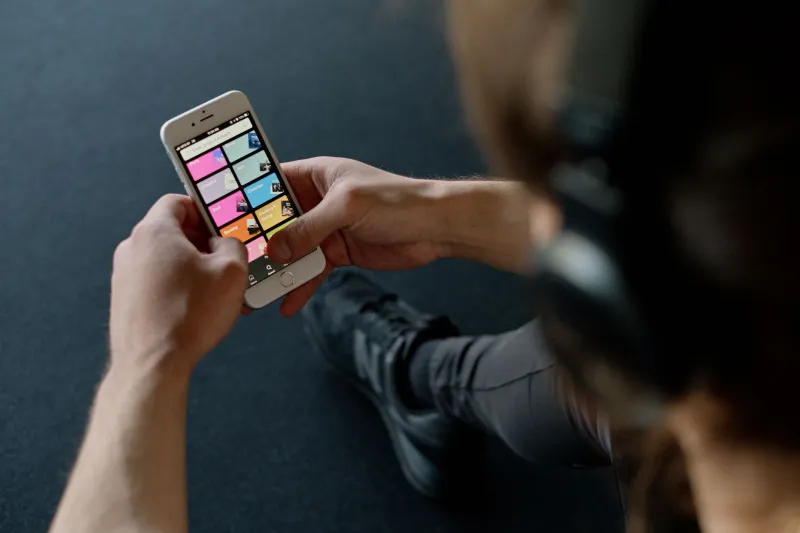
Let's start with the cold, uncomfortable numbers. Spotify pays somewhere between $0.003 and $0.005 per stream. That sounds fine until you realize that to make a single $1,000 — which is not a lot of money — an artist needs roughly 250,000 streams. A quarter million plays. For a thousand bucks.
Meanwhile, a TikTok creator with 200,000 followers who posts consistently can pull in brand deals, LIVE gifts, and creator fund payouts that stack up way faster than a song sitting on a playlist nobody curated with intention. The math isn't even close.
What streaming platforms sold artists on was exposure — the idea that algorithmic reach would eventually translate into real-world income through touring, merch, and sync deals. And for a small slice of artists, it did. But for the vast majority grinding through the middle tier of the industry? Spotify became a vanity metric with a very small check attached.
The Algorithm Problem Nobody Talks About Loudly Enough
Here's what makes traditional streaming platforms genuinely frustrating from an artist's perspective: you have almost no control over who hears your music or why. You upload, you pitch to editorial playlists, you cross your fingers, and you wait for Spotify's algorithm to decide whether you're worthy of a Discover Weekly slot.
TikTok is chaotic, sure. The algorithm there is famously unpredictable. But the difference is that unpredictability cuts both ways — an unknown artist with zero followers can go viral overnight because the content connected, not because a label paid for positioning. That's a fundamentally different power dynamic.
Artists who've figured this out are treating TikTok less like a promotional tool and more like the actual stage. They're not teasing songs — they're performing on the app itself, building a relationship with fans that feels direct, unmediated, and real in a way that a Spotify bio never could.
The Product Changed. Nobody Sent a Memo.
Here's the uncomfortable truth the industry is slowly digesting: for a growing number of artists, the recorded song is no longer the primary product. It's the content around the song. The making-of video. The voice memo posted at 2 a.m. The live reaction to a fan's duet. The behind-the-scenes clip that accidentally shows the artist being a normal, slightly chaotic human being.
Fans in 2025 don't just want to listen to music — they want to know the person making it. And TikTok is architecturally built for that kind of parasocial intimacy in a way that a streaming platform simply isn't. Spotify doesn't let you comment on a song and have the artist respond within the hour. TikTok does.
This is why you're seeing artists who are genuinely mid-tier in streaming numbers absolutely thriving as personalities on short-form video. They've understood something the traditional industry hasn't fully accepted yet: the audience is buying access to a person, not just a playlist addition.
Discovery Moved and Streaming Platforms Are Playing Catch-Up
Ask any person under 30 where they found their last favorite song. The answer is almost never "I was browsing Spotify." It's TikTok. It's a YouTube Short. It's a Reel. Discovery has migrated so completely to short-form video that streaming platforms have been reduced to a second step — the place you go after you've already fallen in love with something elsewhere.
This is a massive structural problem for Spotify, Apple Music, and Tidal, and they know it. Spotify has been desperately trying to add video features, short clips, and creator tools to compete. But there's an authenticity gap that's hard to engineer. TikTok grew up as a place where weird, unpolished, spontaneous content thrived. Spotify was built to deliver pristine audio in a clean interface. Retrofitting personality onto that is awkward at best.
What This Means for the Future of Music (And Fandom)
If the trend holds — and there's no real sign it's reversing — we're heading toward a music landscape where an artist's TikTok presence is more valuable than their streaming numbers, at least in the early stages of a career. Labels are already adjusting their metrics. A&R conversations now routinely include questions about follower counts and engagement rates alongside Spotify streams.
For fans, the experience of discovering and loving music is genuinely changing. It's more interactive, more personal, and in some ways more exciting than it's ever been. But there's a loss buried in there too — something about the ritual of an album dropping and existing purely as music, without a content calendar attached, that's getting harder to find.
The artists who will figure this era out aren't the ones who pick a lane between streaming and TikTok. They're the ones who understand that the song is now just the beginning of the conversation — and the conversation is where the real connection lives.