Shuffle Doesn't Mean Random Anymore — And Honestly? Same.
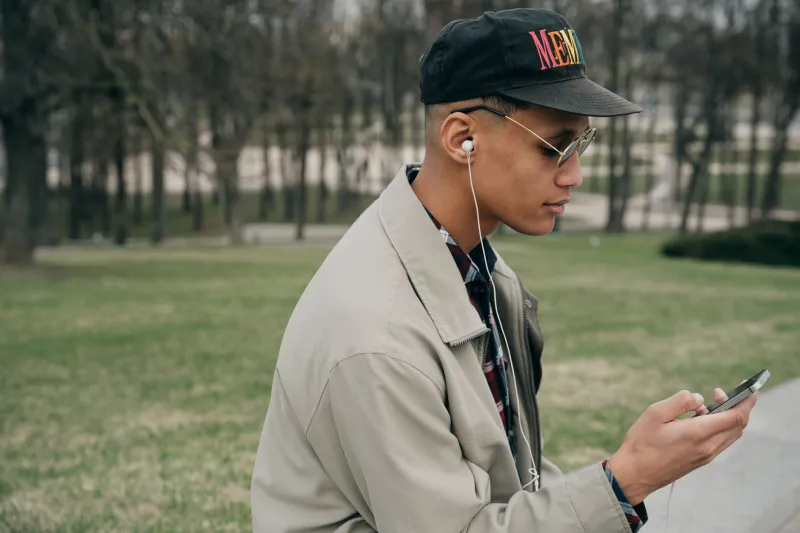
There's a very specific kind of frustration that lives inside the shuffle button. You tap it expecting surprise. You get the same six songs cycling through in a slightly different order. You tap it again. Same energy, different arrangement. You tap it a third time like this time will be different, and somewhere in a server farm in Stockholm, a very sophisticated piece of software watches you do this and does not care.
Welcome to the shuffle illusion — one of the quietest betrayals in modern music listening.
The Algorithm That Learned to Fake It
Here's the thing nobody tells you when you first start using Spotify: true randomness is actually pretty bad at feeling random. Back in the early days of digital shuffle, engineers discovered that genuinely random playback would occasionally spit out the same artist three times in a row, or cluster all your sad songs into one emotionally devastating stretch. Users hated it. They complained it wasn't random enough.
So Spotify — and really, most streaming platforms — quietly fixed the problem by making shuffle less random. They built systems that space out repeat artists, balance tempos, consider what you've been listening to lately, and factor in which songs you tend to skip. The result is a shuffle that feels smoother, more intentional, more curated. Which is to say, it's not really shuffle at all. It's a playlist wearing shuffle's clothes.
Spotify has basically admitted this. In a now-famous engineering blog post, they described implementing an algorithm specifically designed to make random distribution feel more random to human ears — even though mathematically, it's the opposite. They called it "perceived randomness." Which is a polite way of saying they're managing your expectations without telling you.
Why You Keep Hitting It Anyway
Knowing all this doesn't stop anyone. And that's the genuinely interesting part.
There's a psychological loop that shuffle taps into that's almost impossible to break. Every time you restart it, you're operating on a tiny hit of hope — the belief that this shuffle will surface that deep cut you forgot about, or serve up the perfect song for your current mood without you having to go find it. It's the same mental math that makes people check the fridge twice in ten minutes even though nothing new appeared. The action feels productive even when the outcome is predetermined.
Psychologists call this the "illusion of control" — the tendency to believe we have influence over outcomes that are actually beyond us. Casinos are built on it. So, apparently, is your morning commute playlist.
The twist is that shuffle does give you some control. You can skip. You can re-shuffle. You can heart a song to nudge the algorithm. Every interaction is a micro-choice that feels meaningful, even if the overall system is running on rails you can't see. It's participation theater, and we are enthusiastic performers.
The Comfort of Knowing What's Coming (Even When You Don't)
Here's where it gets a little more personal.
A lot of people have started to notice that their shuffle sounds weirdly consistent. Like, suspiciously consistent. You could almost predict the next song. And instead of finding that annoying, many listeners find it... kind of comforting? There's something reassuring about a system that's learned your taste well enough to never really surprise you. It's the musical equivalent of a restaurant where you always order the same thing — the menu is technically full of options, but you already know what you want.
This is the tension at the heart of algorithmic listening: we say we want discovery and spontaneity, but our behavior suggests we mostly want confirmation. We want the feeling of randomness without the discomfort of actual unpredictability. We want to be surprised by things we already like.
Spotify's shuffle has gotten very good at delivering exactly that. It's less a coin flip and more a well-trained bartender who already knows your order but lets you pretend to consider the menu.
When Control Becomes the Point
There's a broader thing happening here that goes beyond music. We live in an era of staggering automation — algorithms are curating our feeds, our recommendations, our news, our dating pools. And the response, culturally, hasn't been to reject that automation. It's been to negotiate with it. To poke at it. To try to figure out its rules so we can game them just enough to feel like we're still the ones in charge.
Shuffle is a microcosm of that. Every time someone restarts their shuffle hoping for a different result, they're not being irrational — they're doing the same thing everyone does when they sense a system is responding to their behavior. They're probing for the edges. Testing whether their input matters. Checking if the machine is actually listening or just pretending to.
Spoiler: it's both. That's the weird part. Spotify's algorithm really is learning from you, really is adjusting to your habits, really does respond to your skips and replays. But it's also doing that for 600 million other people simultaneously, and the decisions it makes on your behalf are shaped by patterns from a crowd you'll never meet. Your shuffle is personal and completely impersonal at the same time.
The Playlist We Actually Wanted
At the end of it, what people are chasing when they hit shuffle isn't really randomness. It's serendipity — that specific feeling of the right song showing up at the right moment without you having to engineer it. That's a real and beautiful thing. It just can't be manufactured by an algorithm, no matter how sophisticated.
The closest thing to genuine shuffle serendipity right now is probably still radio — a format everyone declared dead that keeps quietly delivering the unexpected because it's operating on a logic that isn't entirely yours. Or a friend's playlist. Or a record store recommendation from someone who actually looked at your face when they handed you the album.
Spotify's shuffle is impressive engineering. It's genuinely good at keeping you listening, keeping you engaged, keeping you inside the app. But it was never going to give you the thing you were actually looking for.
That part — the surprise that actually lands — you still have to find yourself.


