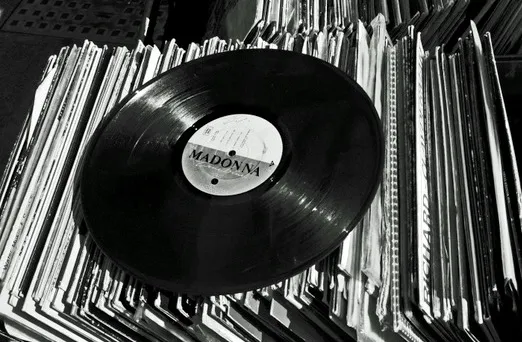
Rough Edges on Purpose: Why Releasing an 'Unfinished' Album Is Now the Smartest Move in Music
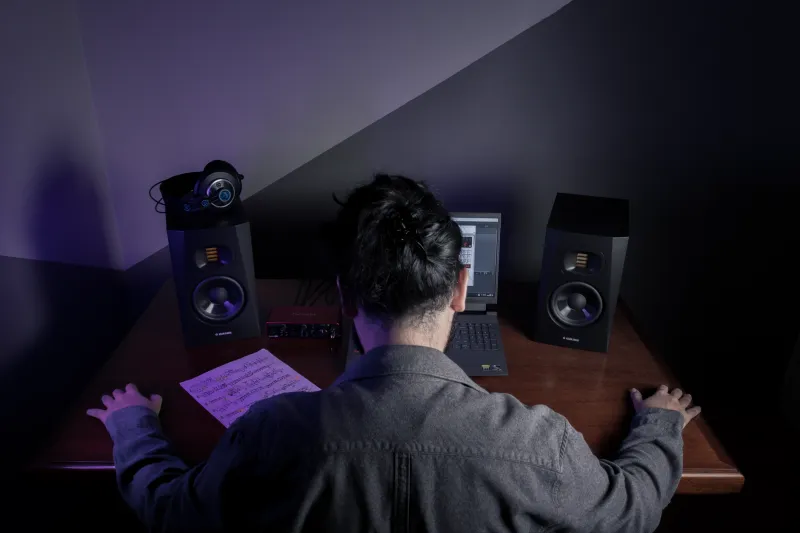
There's a specific kind of magic in hearing a song that sounds like the artist recorded it at 2 a.m. with the lights off, half-asleep, not totally sure where it was going. It feels real in a way that a polished, radio-ready track sometimes just doesn't. And somewhere along the way, a lot of artists figured that out — and started packaging it on purpose.
The "unfinished" album isn't a new accident. It's a deliberate strategy. And honestly? It might be the most interesting creative development in music right now.
The Demo Tape Goes Mainstream
For decades, demo recordings were the stuff of label vaults and bootleg trades. They were rough, scrappy, and never meant to see the light of day — which, of course, made them fascinating. Hearing an artist in their rawest state felt like sneaking backstage. Fans would trade cassettes, upload low-quality rips to music forums, and obsess over the "real" version of a song before the label got its hands on it.
Now artists are skipping the middleman entirely. They're releasing the demo as the product — sometimes literally labeled as such, sometimes just engineered to sound that way. Bedroom pop has normalized lo-fi production to the point where a crackling vocal or an audibly unprocessed guitar is less a sign of limited resources and more a conscious aesthetic choice. Artists like Clairo, Rex Orange County, and earlier SZA built entire fan bases on music that felt like it was still becoming something.
The question is: why does it hit so hard?
Imperfection as Intimacy
Here's the thing about a perfectly produced album — it can feel like a wall. Everything is in its right place, every note corrected, every breath edited out. It sounds incredible, but it also sounds finished, in the way that a museum exhibit is finished. You can appreciate it, but you can't touch it.
A rough recording does the opposite. The slight pitch wobble, the audible room noise, the lyric that sounds like it's still being figured out — all of that creates space for the listener to lean in. It feels like a conversation rather than a presentation. And in an era where parasocial connection is basically its own economy, that intimacy is worth more than any amount of studio sheen.
When fans feel like they're hearing something before it's fully baked, they feel like insiders. Like collaborators. Like they're part of the process rather than just consumers at the end of it. That's a powerful emotional hook — and artists who understand it are using it deliberately.
The 'Still Cooking' Aesthetic
Some artists have taken this even further, turning the concept of incompleteness into an ongoing artistic identity. Rather than releasing an album and moving on, they treat their catalog as a living document — updating tracks, dropping revised versions, adding features months after initial release. It keeps fans engaged between projects and blurs the line between "finished work" and "ongoing experiment."
Kanye West's habit of reworking albums post-release — sometimes multiple times — became a kind of performance art in itself. Whether you loved it or found it maddening, it kept The Life of Pablo and Donda in constant conversation. Frank Ocean's notoriously slow, elusive creative process has turned every snippet and leaked demo into a cultural event. The incompleteness is the content.
Smaller artists are doing this too, just with less drama. Dropping a "rough mix" version of a single before the official release, releasing voice memo recordings as B-sides, or straight-up posting unfinished tracks to SoundCloud with a note that says "still working on this" — it's all part of the same playbook. The studio is open, and fans are invited to watch.
The Risk Nobody Talks About
Of course, there's a fine line between intentional rawness and just releasing something half-hearted and calling it art. Not every rough edge is a creative statement. Sometimes an unfinished album is just... unfinished. Fans are getting better at telling the difference, and the ones who feel like they've been sold an incomplete product without the emotional payoff tend to say so loudly.
There's also a class dimension worth naming. When a well-resourced artist with access to world-class studios chooses lo-fi production, it reads differently than when an independent artist with a laptop and a $50 microphone does the same thing. The "rough by choice" aesthetic can sometimes feel like cosplay when it comes from someone who could easily afford otherwise — though even that tension has become part of the conversation.
The artists who genuinely pull this off are the ones where the incompleteness serves the emotional content of the music. Where the rough edge means something. Where you can feel that the song is still figuring itself out because the artist is still figuring something out too.
Why It's Not Going Anywhere
Listener culture has shifted in ways that make the unfinished album not just acceptable but actively preferred in certain spaces. We're used to watching people cook their food on TikTok, sketch their artwork in real time on Instagram, and document their creative process before the final product exists. The process is the product. The journey is the destination, or whatever version of that phrase you can still say without eye-rolling.
Music is following the same logic. An album that arrives fully formed, with no visible seams, can feel almost suspicious now — like something important got smoothed over. Give us the seams. Give us the 3 a.m. voice memo. Give us the verse you weren't sure about but kept anyway.
The rough draft, it turns out, is exactly what a lot of us have been waiting for.