Same Album, New Sticker: The Deluxe Edition Hustle Nobody Wants to Admit Is Working
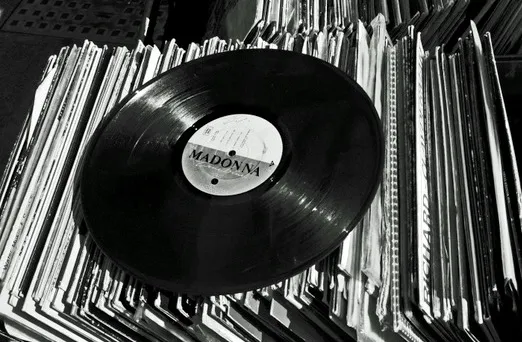
Photo: Des Byrne, CC BY 2.0, via Wikimedia Commons
Let's set the scene. An album drops. People love it, hate it, debate it on Twitter for two weeks, and then move on with their lives. A few months pass. Maybe a year. Then out of nowhere, the artist's team sends a press release: Deluxe Edition. Available Friday. Five new tracks. And without fail, half the fanbase loses their mind with excitement while the other half stares at their phone like they just got a bill they forgot about.
This is where we live now. The deluxe edition isn't a rarity anymore — it's practically a release strategy. And the question worth asking isn't just whether it's lazy or brilliant. It's why we keep falling for it either way.
What Even Is a Deluxe Edition at This Point?
The term used to mean something specific. Back when physical albums ruled the world, a deluxe edition came in a nicer box, maybe had a bonus DVD of a live performance, and felt like a legitimate collector's item. You were paying for the packaging as much as the music.
Now? The word "deluxe" has been stretched so thin it barely means anything. We've seen deluxe editions that add two tracks. We've seen them add ten. We've seen artists release a "director's cut" of an album with alternate mixes that sound almost identical to the originals. We've seen deluxe versions drop six months after the original, eighteen months after, and — in a few legendary cases of audacity — years later, when the artist needed a chart bump and the label needed a reason to run a campaign.
The definition has become whatever the artist's team decides it is on any given Friday.
The Streaming Economy Made This Inevitable
Here's the thing that doesn't get said enough: the deluxe edition trend isn't just about artistic vision. It's math.
Streaming platforms reward catalog activity. When an artist drops new content — even if it's technically old content with a new coat of paint — the algorithm gets interested again. Playlists update. Recommendations shift. Casual listeners who forgot about the album get a push notification and suddenly they're back in the rotation. Chart eligibility resets in certain categories. The whole machine wakes up.
For labels, a deluxe edition is one of the cheapest re-engagement tools available. You don't need a full rollout. You don't need a new music video budget. You need a few tracks that were probably sitting in the vault anyway, a redesigned cover, and a social media post that says "you asked, we listened" — even when nobody actually asked.
The economics are almost embarrassingly clean. Low investment, meaningful streaming spike, renewed press coverage, and a second round of playlist placement. It's not a creative decision. It's a quarterly earnings decision dressed up in creative language.
The Fans Who Love It and the Fans Who Are Tired
Spend five minutes in any fan community when a deluxe edition gets announced and you'll see the split happen in real time.
On one side: the enthusiasts. These are the people who treat every new drop from their favorite artist like a religious event. Three bonus tracks? That's three more chances to find a new favorite song. A remix? Maybe it'll hit different. An alternate version? Absolutely, run it back. For this group, a deluxe edition is pure upside. More music from someone they already love. Why would that ever be a bad thing?
On the other side: the exhausted. These fans — often the ones who were there from day one, who bought concert tickets, who argued about the album's legacy before it was even a legacy — feel something closer to fatigue. They made their peace with the original tracklist. They built a relationship with the album as it was. And now they're being asked to re-evaluate, re-rank, and re-stream something they already fully processed. It can feel less like a gift and more like a product update they didn't request.
Both reactions are completely valid. And both of them are exactly what the label wants.
When the Bonus Tracks Are Actually Good
Credit where it's due: sometimes the deluxe edition delivers. There are real examples of vault tracks that outperformed everything on the original album. Songs that felt like missing pieces. Remixes that recontextualized the whole project in a way the artist clearly intended but maybe couldn't execute the first time around.
When it works, a deluxe edition can genuinely extend the life of an album in a way that feels earned. It adds dimension. It gives fans something to chew on. It occasionally introduces a song that becomes the definitive version of the artist's sound in that era.
But those moments are the exception. More often, the bonus tracks feel like exactly what they are: material that didn't make the original cut for a reason, now packaged as a reward for your continued loyalty.
The Culture of Endless Iteration
The deluxe edition trend doesn't exist in a vacuum. It's part of a much larger cultural shift toward treating finished things as permanently unfinished.
We live in a world where software gets patched, movies get extended cuts, TV shows get revival seasons, and restaurants release "limited edition" versions of menu items that were perfectly fine the first time. The idea that something can be complete — that an artist can hand you an album and say this is it, this is the whole thing — feels almost quaint now.
Deluxe editions are the music industry's version of the director's cut. Sometimes the director's cut is genuinely better. Sometimes it's just longer. And audiences have been trained to treat "more" as synonymous with "better" for long enough that the distinction barely registers.
What gets lost in that equation is the value of restraint. Of an album that knows exactly what it is and doesn't try to be anything else. Of an artist who draws a line and says the story ends here.
So Are We Mad or Not?
Honestly? It's complicated.
The frustration is real — especially when a deluxe edition feels like a cash grab dressed up as fan service. But the excitement is also real, because music is one of those things where even a small chance of finding something great is worth the risk of finding something mediocre.
What the deluxe edition trend really exposes is how thoroughly the streaming era has changed our relationship with albums as objects. When you could hold a record in your hands, it felt permanent. It had edges. A deluxe edition meant you were buying a different physical thing.
Now, the album lives in the cloud and the edges keep moving. The artist can always add another track. The label can always repackage. The playlist can always update. And we'll keep streaming it, keep debating it, and keep pretending we're surprised when it happens again.
Same album. New sticker. See you on Friday.