Press Play Together: How Album Listening Parties Turned a Drop Into a Vibe
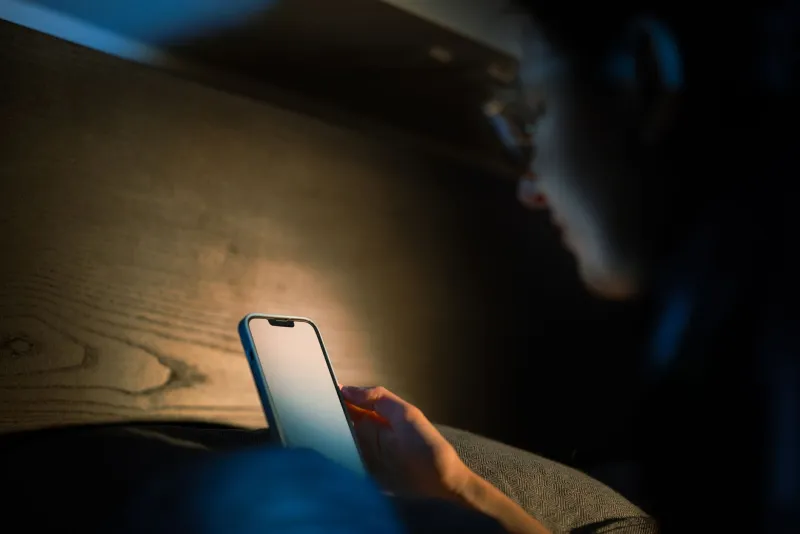
Midnight drops used to be the whole moment. You'd set your alarm, open Spotify or Apple Music the second the clock hit 12, and experience the album alone in your bedroom like some kind of private ritual. Maybe you'd tweet about it. Maybe you'd text a friend. But mostly, it was you and the music, and the artist was nowhere near the conversation.
Now imagine that same moment — except the artist is right there. Reacting. Laughing. Explaining the bridge you just heard. Crying a little, maybe. Watching your comments in real time.
That's the listening party era, and it has completely changed what an album release feels like.
The Shift From Rollout to Real-Time
The traditional album rollout is a well-oiled machine: lead single, press run, late-night TV performance, maybe a magazine cover, then the album drops. Clean, controlled, and carefully managed by a team of publicists making sure every moment lands on schedule.
What the listening party does is blow up that control room — in the best way.
Artists started going live on Instagram and TikTok during their own album drops, sitting with their phones and just... listening alongside fans. No filter. No scripted talking points. Just genuine reactions to their own work, fielding comments, explaining creative decisions, and occasionally getting emotional when a particular lyric hits different in the context of the full project.
Discord servers have taken it even further. Artists will drop a link to a private server hours before release, build a community around the countdown, and then host a structured listening session where fans work through the tracklist together — memes flying, theories forming, Easter eggs being spotted in real time. It's chaotic and beautiful and nothing like a press release.
Why This Actually Works
Here's the honest answer: parasocial relationships are powerful, and listening parties lean directly into them.
Fans in 2024 don't just want to hear an artist's music — they want to feel close to the artist. They want the illusion, or sometimes the reality, of a personal connection. When your favorite rapper goes live and laughs at a comment you posted about track four, that's a memory. That's a story you tell. That moment of perceived intimacy is worth more to a fan than any billboard campaign.
Listening parties manufacture those moments at scale. They turn a passive consumption experience into an interactive event, and they do it at exactly the right time — when fan excitement is at its absolute peak. The album just dropped. Emotions are running high. The artist is right there. It's the perfect storm for community building.
And from a pure marketing standpoint? The content basically creates itself. Clips of the artist reacting to their own music, crying during a vulnerable track, or hyping up a hard beat — those clip straight to TikTok. They get shared. They keep the album trending for days after release, not just hours.
The Platforms Making It Possible
Instagram Live was the early home of this format, partly out of pandemic necessity. When touring stopped and traditional promotion wasn't possible, artists went to where their audience already was. The format was clunky — Live has never been the smoothest experience — but it worked because the rawness was the point.
TikTok LIVE added a different flavor. The platform's younger, more meme-fluent audience brought a different energy to listening parties — more chaotic, more reactive, more likely to turn a specific lyric into a sound that goes viral by morning. Artists who understood TikTok's culture used their release night lives to essentially seed content, saying things or reacting in ways they knew would clip.
Discord is where things get genuinely interesting for the music nerd crowd. Unlike Instagram or TikTok, Discord allows for threaded conversations, role-based access, and a more sustained community feel. Artists like Clairo, Bladee, and various indie acts have used Discord listening parties to create something closer to a fan club experience — intimate, text-heavy, and deeply community-driven. It rewards the superfans rather than the casual scrollers.
The Authenticity Question
Of course, nothing stays authentic forever once the marketing teams catch on.
There's already a version of the listening party that feels rehearsed — the artist who cries on cue, the "spontaneous" reaction that reads a little too polished, the Discord server that's actually just another funnel for merch sales. Fans are sharp, and they notice when the rawness starts to feel like a performance of rawness.
This is the tension at the center of the format. The listening party works because it feels unscripted. The second it becomes just another item on the rollout checklist, it loses the thing that made it compelling in the first place.
The artists doing it best are the ones who genuinely seem to enjoy it — who aren't checking off a box but actually want to sit with their fans during the most vulnerable moment of a creative cycle. You can feel the difference. And so can the algorithm.
Is This the New Normal?
Short answer: partly, yeah.
The listening party isn't going to replace the traditional rollout entirely — major label machines still need their press cycles and their late-night slots. But as a complement to that structure, or as a full alternative for independent artists who don't have access to that infrastructure, it's become genuinely essential.
What's changed most fundamentally is the expectation. Fans now anticipate some form of communal release experience. Dropping an album cold, with no live moment attached, can actually feel like a miss — like the artist didn't show up to their own party.
The album release used to be the end of the creative process made public. Now it's the beginning of a conversation. The music drops, and then the artist shows up to have it out with their fans in real time — explaining, celebrating, sometimes defending, always connecting.
And honestly? That sounds like a much better party.