The Demo Is the Drop: How Unpolished and Unfinished Became the Sound Everyone Wants
In an era where a million-dollar studio budget is a flex, a growing wave of artists is winning by releasing music that sounds like it was recorded on a laptop from 2011 — and fans are eating it up. Whether it's leaked voice memos, intentionally lo-fi demos, or unmastered sessions posted straight to SoundCloud, the rough draft has somehow become the most coveted format in music right now.
Something genuinely strange is happening here. And it's worth slowing down to figure out whether fans are actually falling in love with lo-fi aesthetics, or whether something deeper is driving this obsession with the unfinished.
When the Leak Outperformed the Album
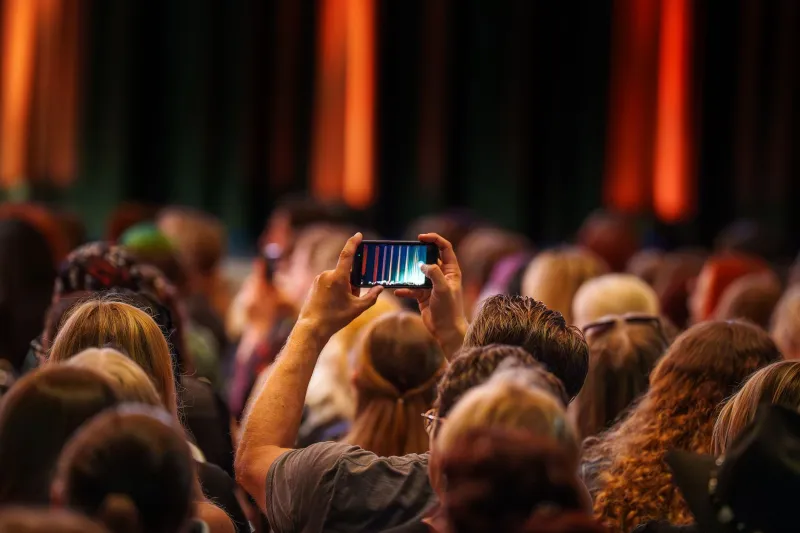
It's happened enough times now that it's a pattern, not a fluke. An artist's demo leaks — sometimes actually accidentally, sometimes with a very convenient lack of security — and the response dwarfs anything the official release generates. Fans go into a kind of frenzy that polished singles rarely produce. They screenshot waveforms. They post reaction videos. They analyze the background noise for clues about where and when it was recorded.
Part of this is the thrill of access. Getting something you weren't supposed to have carries an inherent charge. But that doesn't fully explain why, even after the official version drops with proper mixing, mastering, and a music video attached, a significant portion of fans openly say they prefer the demo. That's not just about scarcity. That's a genuine aesthetic preference forming in real time.
The Over-Production Backlash Is Real and It's Been Building
Let's be honest about the production landscape for a second. Modern mainstream music is extraordinarily polished. Auto-tune is standard. Compression is maxed. Every vocal breath is either removed or kept as a deliberate stylistic choice that someone agonized over in a $500-an-hour studio. The result is music that sounds technically impeccable and, to a growing number of listeners, slightly sterile.
This isn't a new complaint — people have been grumbling about over-production since at least the early 2000s. But what's different now is that the alternative is so readily accessible. Artists can record something raw on their phone, post it without touching an EQ, and have it reach a million people by morning. The lo-fi option has never been more viable as an actual release strategy, not just a stylistic affectation.
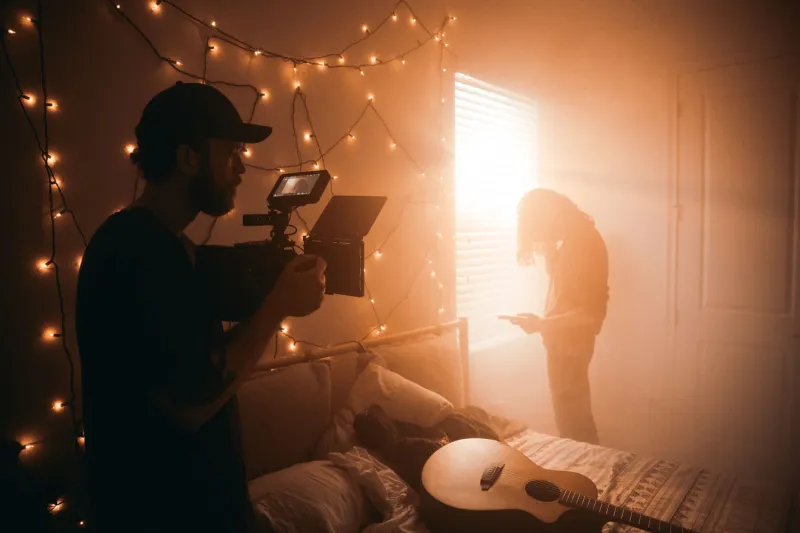
When fans hear a demo with audible room noise, a slightly pitchy note that wasn't corrected, and a vocal that sounds like a real human throat produced it — there's a relief in that. It sounds like music made by a person rather than optimized by a process.
Authenticity or Proof of Authorship?
Here's where the cultural conversation gets genuinely complicated. There's a case to be made that the obsession with demos isn't purely about aesthetics. It's also about proof.
In an industry where ghostwriting is widespread, AI-generated vocal stems are increasingly accessible, and the line between an artist's creative contribution and their production team's is deliberately blurry — a rough demo serves as evidence. It says: I was in a room. I sang this. This came from me. The imperfections are almost like fingerprints.
This is especially charged right now because conversations about AI in music have made listeners genuinely uncertain about what they're hearing. A perfectly produced track with no rough edges could, theoretically, have been assembled without the artist touching a single element. A voice memo with background traffic noise and a slightly cracked note on the high end? That one's harder to fake.
The rough draft, in this context, isn't just an aesthetic choice. It's a credibility document.
Artists Are Learning to Work the Narrative
Unsurprisingly, the music industry — which is nothing if not adaptive — has started folding the demo aesthetic into its actual release strategy. The "leaked" session that's actually a controlled drop. The voice memo posted as a single with zero additional production. The SoundCloud upload that's framed as a throwaway but is actually a carefully timed piece of rollout architecture.
This is not entirely cynical. Sometimes the demo genuinely is the best version of a song, and an artist choosing to release it that way is a real creative decision, not a marketing trick. But it's worth being clear-eyed about the fact that "raw and unfiltered" has become its own kind of aesthetic category — one that can be performed just as deliberately as anything else.
The tell is usually in the follow-through. An artist who consistently releases rough material and whose whole creative identity is built around that process reads as genuine. An artist who drops a lo-fi demo in between glossy major-label rollouts, positioned specifically to generate a "realness" narrative, reads as a tactic. Audiences are pretty good at telling the difference, even if they can't always articulate why.
What This Actually Says About Us as Listeners
Step back from the industry mechanics for a second and look at what this trend reveals about what people want from music right now. We are living through an era of relentless curation, optimization, and performance. Social media feeds are edited. Profiles are managed. Even "casual" content is often carefully constructed to appear effortless.
In that context, something that sounds genuinely unfinished — that has audible evidence of process, of human effort, of a moment that wasn't designed to be consumed — lands like a cold glass of water. It's not that we've stopped caring about quality. It's that our definition of quality has quietly shifted to include authenticity as a core component.
The demo isn't winning because it sounds better than the finished product. It's winning because it sounds truer. And right now, true might be the rarest thing in the room.