From Closet to Cult Following: How Bedroom Producers Became the Music Industry's Most Dangerous Disruptors
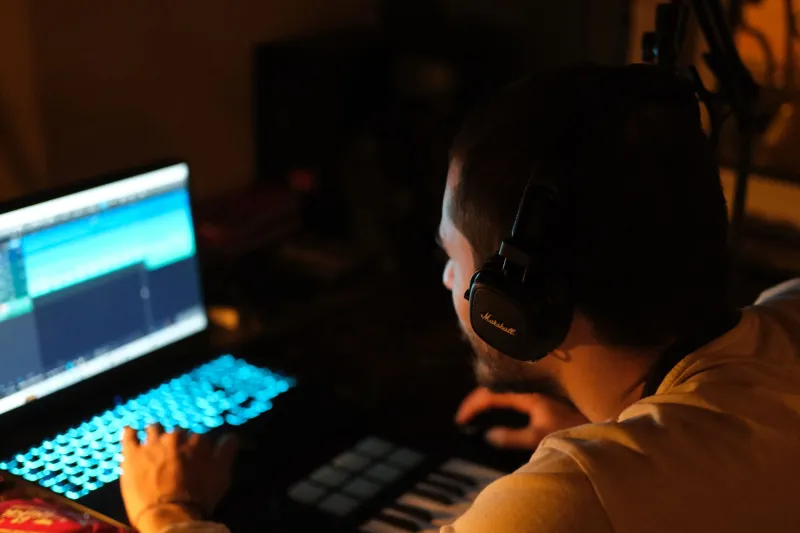
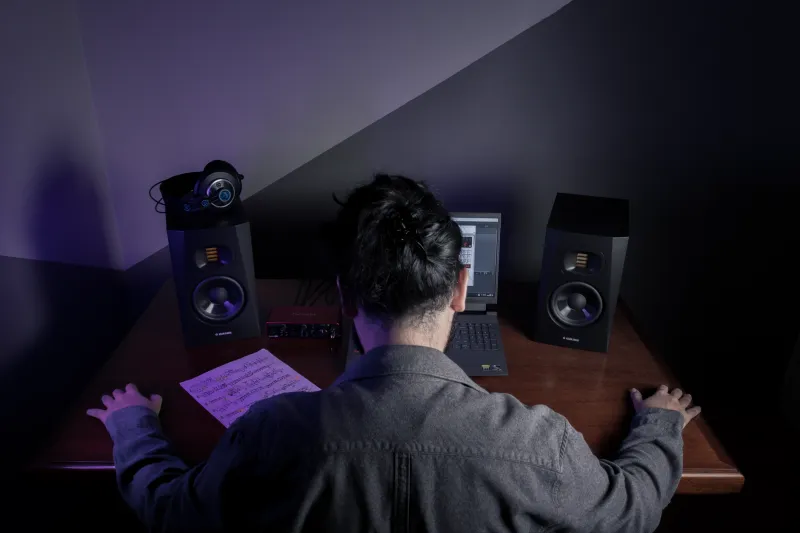
There's a particular kind of magic that happens when someone records a track in a space that was never meant for music. The hum of a laptop fan bleeding into the mix. The slight reverb from a closet full of hoodies acting as accidental acoustic treatment. A vocal take recorded at midnight because the neighbors are finally quiet. None of it is supposed to work — and yet somehow, it absolutely does.
The bedroom producer has officially arrived. Not as a quirky underdog story, not as a one-off viral moment, but as a legitimate and increasingly dominant force in how music gets made, distributed, and consumed in 2024.
The Gatekeepers Didn't See This Coming
For decades, the path to a music career was painfully linear. You made demos, you sent them to labels, you got rejected, you sent more demos, and if the stars aligned and someone in an office liked your vibe, maybe — maybe — you got to make a real record. Professional studio time was both a financial barrier and a status symbol. Sounding polished meant you were serious. Sounding rough meant you weren't ready yet.
That entire framework has been quietly dismantled.
Billie Eilish recorded her breakout single "Ocean Eyes" in her brother Finneas's bedroom. The track that changed her life cost essentially nothing to produce and sounded like it came from another planet. Lil Peep built a cult following releasing music from his laptop with a rawness that major-label A&R would have smoothed out and ruined. More recently, artists like PinkPantheress, Bladee, and a wave of hyperpop producers have turned low-budget production aesthetics into a full creative identity — not in spite of the limitations, but because of them.
The industry didn't create these artists. The internet did.
Lo-Fi Isn't a Compromise Anymore — It's a Choice
Here's the thing that took the traditional music business a while to grasp: listeners stopped hearing lo-fi production as a sign of amateurism. They started hearing it as authenticity. There's a reason lo-fi hip-hop study streams pull millions of plays, why SoundCloud rap with its blown-out 808s resonated so hard with a generation raised on YouTube, and why artists deliberately keep the rough edges in their mixes even after they can afford to clean them up.
Polished production has started to carry a different kind of baggage. It can feel corporate. Managed. Like something assembled by committee rather than felt by a person. When an artist drops a track that still has the creak of their desk chair in it, that imperfection becomes a handshake. It says: this is real, this is mine, I made this at 3 a.m. and I wasn't thinking about radio play.
For a generation of listeners who grew up skeptical of everything curated and packaged, that handshake means everything.
The Bedroom as Brand
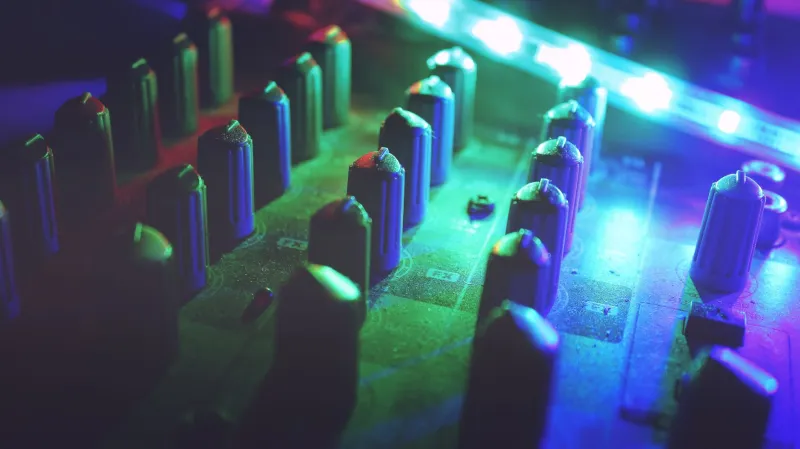
Smart producers have figured out that the setup itself is part of the story. The aesthetic of the workspace — the LED lights, the cluttered desk, the vintage synth propped against a poster — has become content. Producers post studio sessions not to show off gear but to let fans into the process. They share unfinished ideas, failed experiments, accidental discoveries. The behind-the-scenes is the scenes.
This kind of transparency would have been unthinkable in the old model. Labels controlled artist image obsessively. You didn't show the seams. You presented the finished product and let the mythology build around it.
Now the seams are the mythology.
Producers like Kenny Beats built massive audiences partly through livestreaming their beat-making sessions in real time, letting viewers watch the music get constructed from scratch. That's not a marketing strategy grafted onto music — it's the music and the marketing fused into a single thing that the traditional industry never had a template for.
What This Means for the Kids Coming Up
The barrier to entry for music production has never been lower. GarageBand ships free on every Mac. FL Studio has a free trial that a significant percentage of working producers used to make their first hits. Splice gives you access to samples for the price of a streaming subscription. You can record decent vocals on a USB mic that costs less than a tank of gas.
This democratization is genuinely exciting. Kids in rural towns, in apartments without soundproofing, in bedrooms shared with siblings — all of them have access to tools that would have cost tens of thousands of dollars twenty years ago. The playing field isn't level, but it's a lot flatter than it used to be.
The challenge is standing out in a landscape where everyone has the same tools. Which brings it back, ironically, to the thing that can't be downloaded: a point of view. A specific sound. A weird obsession that shows up in every track. The bedroom producers who break through aren't just technically proficient — they have something to say, and the intimacy of their setup makes it easier to hear.
The Record Deal Isn't Dead, But It's Negotiating From Weakness
Labels still have resources that most bedroom producers don't — marketing budgets, radio relationships, sync licensing pipelines. But the leverage has shifted. An artist who already has 300,000 monthly Spotify listeners and a dedicated TikTok following walks into a label meeting with options. They're not desperate. They can say no.
And a lot of them are saying no, or at least saying not yet, or saying only if the deal looks like this. The streaming era created direct revenue paths that didn't exist before. Merch, Patreon, sync placements, live shows — a bedroom producer with a devoted niche audience can build a sustainable career without ever signing anything.
The bedroom, it turns out, is a pretty good place to run a business from too.
The music industry spent years treating independent artists like a farm system — a place to develop talent before the real career started. What they didn't account for was the possibility that some of those artists would look at what "the real career" actually looked like and decide they'd rather stay in the farm.