Announced, Hyped, Ghosted: The Music Collabs That Never Made It Out the Studio
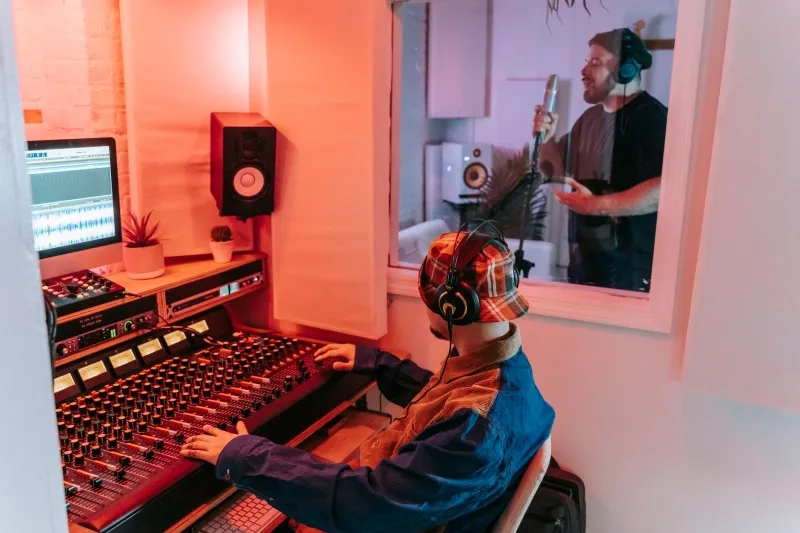
You remember the feeling. An artist you love posts a blurry studio selfie with someone you never expected. The caption is a single fire emoji. Your group chat immediately implodes. Twitter — sorry, X — starts trending the two names within the hour. And then… nothing. Weeks pass. Months. You check both artists' pages like you're refreshing a delayed flight status, and eventually, without any explanation, you just stop looking.
Welcome to the collab graveyard — one of the music industry's most frustrating and, honestly, most calculated traditions.
The Hype Is the Product
Here's the uncomfortable truth that nobody in the industry is exactly rushing to advertise: sometimes the announcement is the strategy. Not the song. Not the video. Not the rollout. Just the idea that two massive names might, theoretically, one day, possibly make something together.
"Labels and management teams have figured out that a well-timed tease generates almost as much engagement as an actual release," says one A&R consultant who works with major-label acts and asked to remain anonymous. "You get the press hits, you get the social buzz, and you haven't spent a dime on production or marketing yet. It's basically free promo."
That might sound cynical, but scroll back through any given year in music and the pattern is undeniable. Big Sean and Jhené Aiko hinting at new TWENTY88 material. Drake and Kanye's on-again, off-again creative relationship generating endless speculation. Travis Scott and literally anyone in his orbit being photographed in the same zip code. Each of these moments created genuine cultural momentum — whether or not a single note ever made it to streaming.
Fan Energy as a Marketing Tool
What makes this whole ecosystem work is the fans themselves. And to be fair, it's not entirely their fault — the industry has spent decades training audiences to treat anticipation like currency.
When a collab gets teased, fan communities do the heavy lifting for free. They make edit videos, they create mock cover art, they write Reddit threads analyzing every possible meaning behind a two-second Instagram story. That organic content machine is worth millions in equivalent advertising spend, and it runs entirely on hope.
"Fanbases are incredibly powerful amplifiers," says a digital marketing strategist who's worked on campaigns for several top-40 acts. "When you get two fanbases merging their energy around a shared project, the reach is exponential. The problem is, once you've lit that fire, you have a responsibility to actually deliver something — and not everyone follows through on that."
The breach of that unspoken contract is where fan trust starts to erode. And in an era where audiences are more media-literate than ever, the backlash to vaporware collabs has gotten louder and sharper.
Why Collabs Actually Fall Apart
To be fair, not every ghosted collab is a calculated manipulation. The music industry is genuinely messy, and the gap between "we recorded something cool" and "this is officially releasing" is wider than most people realize.
Sample clearances alone can bury a track for years. Creative disagreements between artists — or more often between their respective management camps — can quietly kill momentum. Label priorities shift. Someone's album cycle changes direction. A beef that started as a joke becomes real. A feature that made sense in January feels off-brand by July.
"I've seen songs that were fully finished, mixed, mastered, and ready to go just... sit in a hard drive forever because two camps couldn't agree on billing or royalty splits," says a music attorney who specializes in artist contracts. "The fans never know how close something got to actually happening. They just see silence and assume it was always fake."
That ambiguity — the inability to ever really know what happened — is part of what makes the collab graveyard so haunting. There's no closure. No official statement. Just a collective shrug from both camps and a comment section full of people who still haven't given up.
The Slow Death of Anticipation Culture
For a generation that grew up watching surprise album drops rewrite the rules of music marketing, the slow-burn tease feels increasingly dated. Beyoncé dropping Lemonade without a single piece of advance press. Frank Ocean just putting Blonde on the internet. Taylor Swift treating the surprise drop like her personal superpower. These moments trained listeners to expect the thing itself, not just the promise of it.
That shift in expectations has made the unrealized collab feel even more hollow by comparison. If you can drop a full visual album with zero warning, what exactly is the excuse for hyping a joint project for two years and never delivering?
"Audiences have gotten smarter," the digital marketing strategist notes. "They're starting to clock the pattern. The studio pic, the vague caption, the interview where both artists say 'we've got some stuff cooking' — people know what that cycle looks like now, and they're a lot less willing to ride it out."
Some artists have started to feel the reputational cost of over-promising. When the collab eventually does drop — or definitively doesn't — the reception is filtered through the memory of all that waiting. A project that might have landed as a genuine surprise instead arrives weighed down by two years of inflated expectations it was never going to meet.
What Actually Fixes This
The artists who've maintained the deepest fan trust tend to share one quality: they're quiet until they're ready. No cryptic posts. No "soon" captions. No industry-insider winks. They just show up with the music.
That model is harder to pull off when you're working with another artist's schedule, management team, and label politics. But the collabs that hit the hardest — the ones that become genuine cultural moments — are almost always the ones nobody saw coming.
The collab graveyard isn't going anywhere. As long as anticipation has marketing value, someone's going to keep manufacturing it. But the fans filling those comment sections with fire emojis and countdown timers are getting harder to fool — and the artists who figure that out first are going to have a serious edge.
Until then, rest in peace to every "we've got something special coming" that never made it out the studio. You almost had us.