The Unfollow Era: When Devoted Fans Finally Say Enough and Actually Stick to It
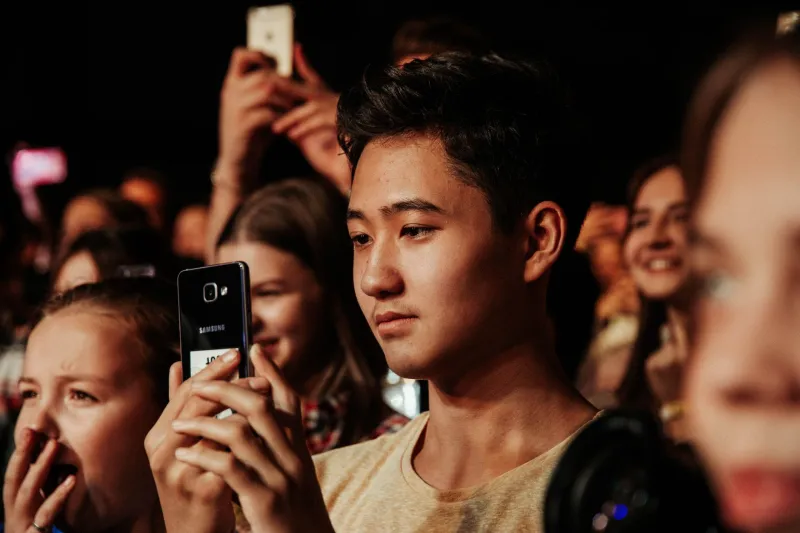
For a long time, being a die-hard fan meant unconditional loyalty. You bought the merch, streamed the album on repeat for a week straight, defended your fave in comment sections at midnight, and maybe even cried at a concert. The parasocial relationship — that one-sided emotional bond where you feel like you know someone who has no idea you exist — was just part of the deal. You loved the artist. The artist made music. That was the contract.
But something cracked in that contract. And now fans are doing something that would've felt unthinkable just a few years ago: they're walking away. Deliberately. Quietly. Sometimes loudly. And they're not coming back.
The Old Rules Don't Apply Anymore
Parasocial bonds used to be pretty resilient. Celebrities could do genuinely questionable things and their fanbase would circle the wagons, explain it away, or just collectively agree to look somewhere else. That's not a new phenomenon — it's basically the entire history of celebrity culture in America. The machinery of PR, radio play, and limited access meant fans only saw what they were supposed to see.
Social media blew that wide open. Now artists are posting their own unfiltered takes, going live at 2 a.m., and letting their actual personalities breathe — for better or worse. That access is a double-edged thing. It built some of the most intense fan communities the music world has ever seen. It also gave those same fans a front-row seat to behavior they can't unsee.
When an artist says something offensive on a podcast, tweets out a take that doesn't land, or gets caught in a pattern of behavior that contradicts the image they've sold, the fanbase doesn't just hear about it through a tabloid. They watch it happen in real time. And that changes everything.
It's Not a Cancellation, It's a Resignation
Here's where it gets interesting: this isn't always about cancel culture in the traditional sense. Cancellation implies a mob, a pile-on, a coordinated effort to destroy someone's career. What's happening now is quieter and, arguably, more powerful.
Fans are just... resigning. They're unfollowing, removing the artist from their playlists, donating their merch, and stepping back from communities they spent years building. It's less of a public execution and more of a personal decision that, when multiplied across thousands of people, starts to look like a movement.
The difference matters. A cancellation can be weathered. Artists have come back from those. But a slow, steady withdrawal of the people who actually cared — the ones who drove the streams, bought the tickets, and evangelized the music to their friends — that's a different kind of damage. It doesn't make headlines, but it shows up in the numbers.
What Breaks the Bond
It's not always one big moment. Sometimes it's accumulation. Fans will absorb a lot before they hit their personal threshold, but once they do, the exit tends to be final.
Controversial statements are a big one — especially when they touch on issues that feel personal to the fanbase. A lot of artists built their audience on a sense of shared identity, whether that's around race, gender, queerness, or class. When an artist's words or actions feel like a betrayal of that shared ground, the fans who felt the most seen by the music often feel the most burned.
Inauthenticity is another pressure point. Gen Z fans in particular have a finely tuned radar for when something feels manufactured. If an artist's public persona starts to feel like a performance — if the vulnerability that made the music resonate turns out to be a brand strategy — people notice. And they feel foolish for having bought in, which turns disappointment into something closer to resentment.
Then there's the parasocial imbalance becoming too obvious. Artists who lean into fan devotion for engagement and clout, then treat those same fans as disposable or beneath them when it's convenient, are increasingly getting called out for it. Fans are recognizing the dynamic for what it is, and some are choosing to opt out entirely.
The Power Shift Is Real
What makes this moment genuinely new is that the fanbase now holds leverage that didn't exist before. Streaming has made fan behavior directly measurable. First-week numbers, Spotify monthly listeners, ticket sales — all of it reflects whether people are actually showing up or quietly stepping back. There's no hiding from the data.
This gives fans a kind of structural power they've never had. When a significant chunk of a loyal base withdraws, labels notice. Management notices. The artist notices. The parasocial relationship was always asymmetrical, but the internet closed some of that gap. Fans collectively can move markets now, and some of them know it.
It's also worth noting that the communities fans built around artists don't disappear when they leave. Former stans still have the group chats, the Discord servers, the Twitter mutuals. They just redirect that energy — sometimes into critiquing the artist, sometimes into finding someone new. The infrastructure of devotion outlasts the devotion itself.
What This Means for Artist Longevity
For artists building careers in 2024 and beyond, the lesson is uncomfortable but pretty clear: the fanbase is not a given. Loyalty has to be maintained, and it's more fragile than it used to be. That doesn't mean artists need to be perfect — nobody's asking for that. But it does mean that authenticity, accountability, and actual awareness of who's in the room matter more than ever.
The artists who seem to be holding onto their bases through controversy are generally the ones who engage honestly rather than going quiet, who acknowledge missteps without making it a PR performance, and who treat their fans like people rather than a metric.
The ones who lose ground tend to be the ones who underestimate how much their audience was paying attention all along.
The Quiet Exit Has a Loud Echo
There's something almost poetic about it. The parasocial relationship was built on the illusion of closeness — fans feeling connected to someone who didn't know they existed. Now, the end of that relationship works the same way. Fans leave quietly, one by one, and the artist may not notice until the silence gets loud enough to hear.
This is the era where fanbases stopped being passive audiences and started being active participants in an artist's reputation. They built the platform. They can step off it. And increasingly, they're willing to do exactly that — not out of cruelty, but out of self-respect.
That's the real plot twist. It was never just about the music. It was always about the relationship. And relationships, even imaginary ones, have limits.